Urban Ivy Houseplants
Alocasia Macrorrhiza
Alocasia Macrorrhiza
Couldn't load pickup availability
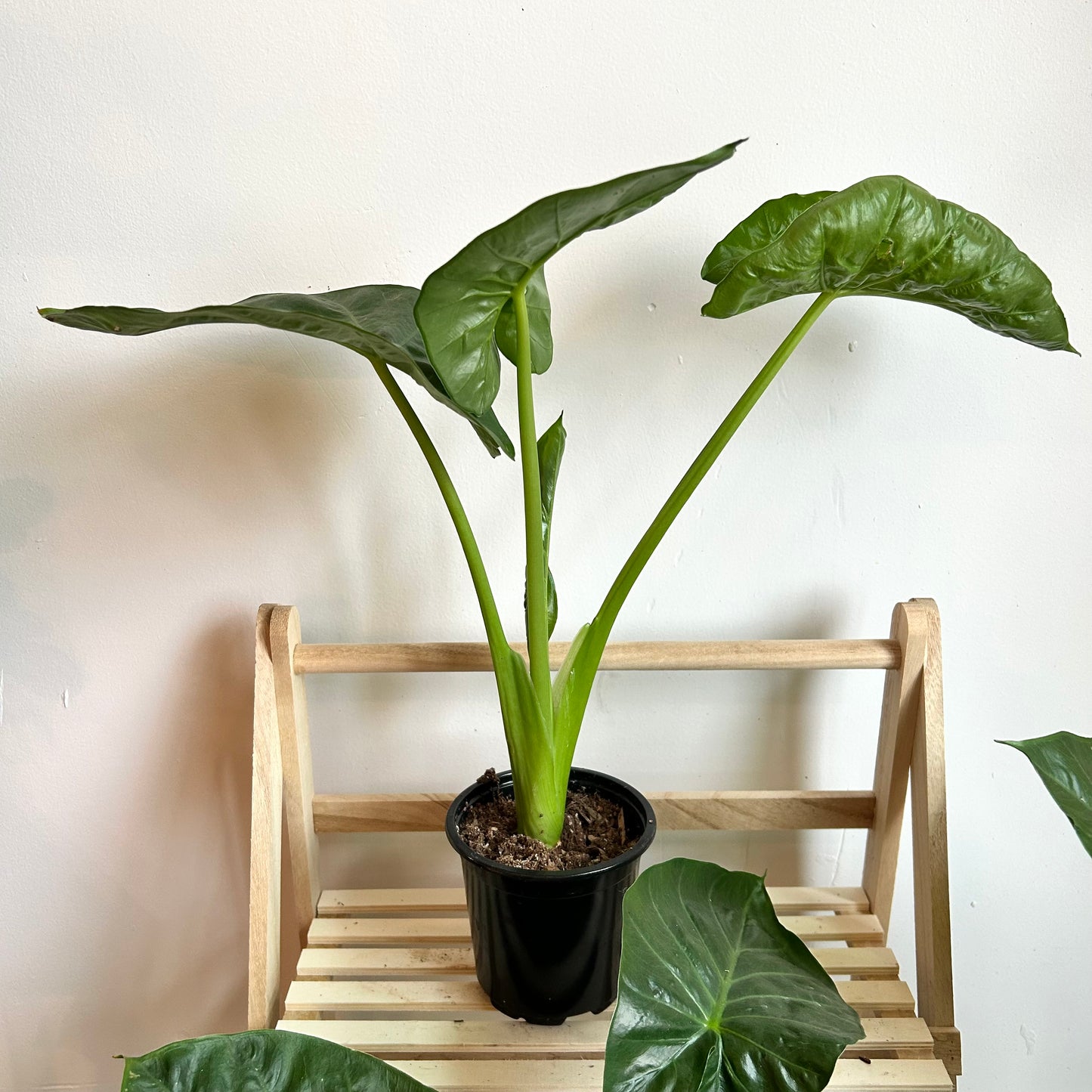
Alocasia macrorrhiza, often called Giant Taro or Elephant Ear, is a bold tropical statement plant known for its massive upright leaves and strong architectural shape. Its glossy green foliage can grow impressively large, giving any space an instant jungle feel. This plant loves warmth, humidity, and bright filtered light, making it a beautiful choice for plant lovers who enjoy dramatic foliage.
Size and Growth:
Alocasia macrorrhiza is a fast-growing tropical plant that can get impressively large when happy. Indoors, it commonly reaches around 3–6 feet tall, with large upright leaves that can become the main feature of a room. In ideal outdoor tropical conditions, it can grow much larger.
Pet Friendliness:
Not pet safe.
Care Instructions:
Light: Prefers bright, indirect light. Avoid direct sunlight, which can scorch its delicate leaves, but also keep it out of low-light areas to maintain steady growth.
Watering: Keep the soil consistently moist but not soggy. Water when the top inch of soil feels dry, ensuring proper drainage to prevent root rot.
Humidity: Thrives in high humidity levels (60-80%). Use a humidifier, mist the leaves regularly, or place a tray of water and pebbles nearby to maintain moisture.
Temperature: Prefers warm temperatures between 18-29°C. Avoid exposure to temperatures below 13°C and protect it from cold drafts.
Soil: Use a well-draining, airy mix rich in organic matter. A blend of peat, perlite, and orchid bark works well to keep roots healthy.
Fertilizer: Feed every 2-3 weeks during the growing season (spring and summer) with a balanced liquid fertilizer diluted to half strength. Reduce feeding in fall and winter.
Pruning: Remove any yellowing or damaged leaves to encourage healthy new growth.
Repotting: Repot every 1-2 years, or when roots outgrow the pot. Choose a container with drainage holes to prevent excess moisture retention.
Pro Tip: Alocasias can be a little dramatic when conditions change. Yellowing leaves often point to watering issues, low light, or low humidity. Once it settles into the right spot, it rewards you with huge, show-stopping leaves.
*Please note that color may differ slightly from how it appears on your screen due to varying monitor settings.
**Please note that we will select a plant for you when you order online. Though you will not receive the specific plant in the image, we will ensure we select something comparable.